Healthy Families, Healthy Futures: Diabetes Awareness for Kinship Caregivers
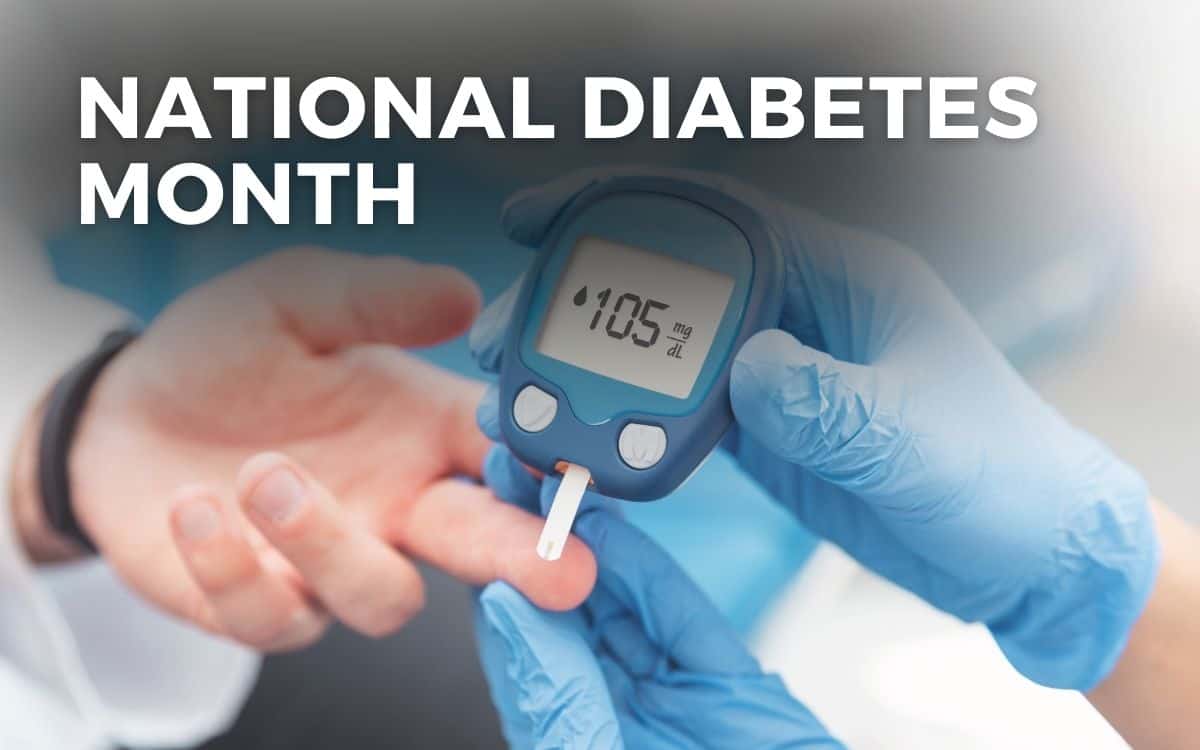
November is National Diabetes Awareness Month, a time to raise awareness about diabetes, encourage healthy habits, and support individuals and families living with this condition. For kinship caregivers raising grandchildren, nieces, nephews, or other relatives, understanding diabetes and taking steps toward prevention can make a meaningful difference in the health and well-being of the entire family.
Understanding Diabetes
Diabetes is a chronic health condition that affects how the body turns food into energy. There are several types, including Type 1, Type 2, and gestational diabetes. Type 1 diabetes is an autoimmune condition that cannot currently be prevented, while Type 2 diabetes is often associated with a combination of genetic, lifestyle, and environmental factors.
According to the Centers for Disease Control and Prevention (CDC), more than 38 million Americans are living with diabetes, and many more have prediabetes, a condition in which blood sugar levels are higher than normal but not yet high enough for a Type 2 diabetes diagnosis.
Why Diabetes Awareness Matters for Kinship Families
Kinship caregivers often juggle multiple responsibilities, including managing medical appointments, preparing meals, supporting children’s emotional needs, and caring for their own health. With so much on their plates, caregivers may put their own well-being last.
Diabetes awareness is especially important because both children and adults can develop diabetes. Recognizing warning signs, understanding family health history, and encouraging healthy routines can help families take charge of their health.
Common warning signs of diabetes include:
- Increased thirst and frequent urination
- Unexplained weight loss
- Feeling unusually tired
- Blurry vision
- Cuts or sores that heal slowly
Some individuals experience few or no symptoms, making regular checkups and appropriate screenings important.
Small Changes Can Make a Big Difference
The good news is that healthy habits can benefit the entire family! Here are a few simple ways kinship caregivers can promote healthier lifestyles at home:
1. Make Healthy Eating a Family Activity. Encourage children to help plan and prepare balanced meals. Include colorful fruits and vegetables, whole grains, and lean proteins. Small changes, such as choosing water instead of sugary drinks, can make a difference.
2. Get Moving Together. Physical activity doesn’t have to mean going to the gym. Family walks, dancing in the living room, playing at the park, or enjoying outdoor activities are great ways to stay active and spend quality time together.
3. Prioritize Regular Checkups. Schedule routine medical appointments for yourself and the children in your care. Talk with healthcare providers about diabetes risk factors, family history, and recommended screenings.
4. Encourage Healthy Sleep Habits. Consistent sleep routines support physical and emotional health. Establish regular bedtimes and create relaxing nighttime routines for the whole family.
5. Take Care of Yourself, Too! Kinship caregivers give so much of themselves to others. Remember that your health matters! Taking time to manage stress, stay active, and address your own healthcare needs helps you continue providing the love and stability your family depends on.
You Don’t Have to Do It Alone
Managing health concerns while raising children can feel overwhelming, especially when finances, transportation, or access to healthcare create additional challenges.
Kinship Connections of Wyoming is here to help connect kinship families with community resources, support services, and information that can make everyday life a little easier. Whether you need help locating healthcare resources, finding food assistance, or connecting with other caregivers, our team is here to support you.
A Healthier Future Starts with One Small Step
This November, take a moment to think about one healthy change your family can make together. Maybe it’s taking an evening walk, trying a new vegetable, scheduling a checkup, or simply making time for self-care.
Remember: Healthy caregivers help build healthy, thriving families. Every small step toward better health is a step toward a brighter future for the children you love.
Learn More:
- American Diabetes Association: www.diabetes.org
- CDC Diabetes Resources: www.cdc.gov/diabetes
- Wyoming Chronic Disease Prevention Program: https://health.wyo.gov/publichealth/cancer-and-chronic-disease-prevention-unit/chronicdisease/
Stronger Together.