
As we enter the winter months, the winter blues can come on quick and heavy. In today’s fast-paced, screen-heavy world, young people are facing unprecedented challenges to their mental well-being. Rising rates of anxiety, depression, and stress among children and adolescents have sparked urgent conversations about prevention and support. One of the most effective—and often overlooked—tools for improving youth mental health is physical activity.
Why Mental Health in Youth Matters
Mental health during childhood and adolescence lays the foundation for emotional resilience, academic success, and healthy relationships later in life. When mental health struggles go unaddressed, they can affect school performance, self-esteem, and long-term life outcomes. Supporting youth mental health isn’t just about treatment—it’s about prevention and healthy daily habits.
How Physical Activity Supports Mental Well-Being
Physical activity influences mental health through a combination of biological, psychological, and social pathways:
1. Brain Chemistry and Mood Regulation
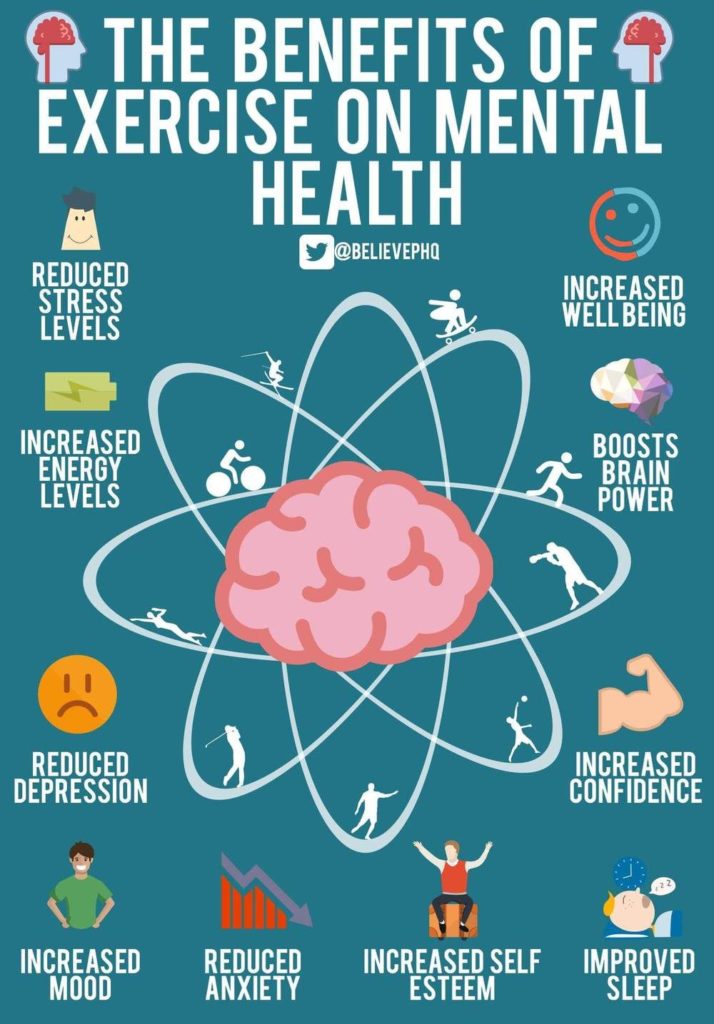
Exercise stimulates the release of endorphins, dopamine, and serotonin—chemicals in the brain that help regulate mood and reduce feelings of stress and anxiety. Regular movement can act as a natural mood booster and stress reliever for young people.
2. Reduced Anxiety and Depression
Studies consistently show that physically active youth experience lower levels of anxiety and depressive symptoms. Even moderate activities like walking, cycling, or playing outside can make a measurable difference.
3. Improved Sleep and Energy Levels
Physical activity helps regulate sleep patterns, which are closely tied to mental health. Better sleep improves concentration, emotional regulation, and overall resilience in children and adolescents.
4. Boosted Self-Esteem and Confidence
Mastering new physical skills, achieving fitness goals, or simply feeling stronger can enhance self-esteem. For youth, especially during adolescence, this sense of competence can be deeply protective against negative self-image and emotional distress.
The Social Benefits of Being Active
Many physical activities—such as team sports, dance, or group fitness—offer social connection. These environments help young people:
- Build friendships
- Develop teamwork and communication skills
- Feel a sense of belonging
Social support is a key buffer against mental health challenges, and physical activity often provides a natural space for these connections to grow.
Barriers to Physical Activity in Youth
Despite its benefits, many young people face obstacles to staying active:
- Increased screen time
- Academic pressure
- Limited access to safe play spaces
- Lack of school or community programs
Addressing these barriers requires collaboration among families, schools, communities, and policymakers.
How Caregivers, Schools, and Communities Can Help
- Encourage daily movement, even if it’s informal play or short activity breaks
- Prioritize physical education and recess in schools
- Model active lifestyles as adults
- Create inclusive, safe spaces for all youth to participate, regardless of skill level
The goal isn’t elite athletic performance—it’s consistent, enjoyable movement.
A Holistic Approach to Youth Mental Health
Physical activity alone isn’t a cure-all, but it is a powerful piece of a broader mental health strategy. When combined with emotional support, healthy nutrition, adequate sleep, and access to mental health resources, regular movement can significantly improve mental health outcomes for young people.
Investing in physical activity is an investment in youth mental health. By encouraging active lifestyles early in life, we can help young people build resilience, confidence, and emotional well-being that lasts far beyond childhood.
Sometimes, the path to a healthier mind truly begins with moving the body. If you need ideas of ways to get your kinship children engaged in activities, please reach out to a kinship navigator!